‘Riverscapes’ was the theme of a talk by Aimee Felus, of Western Sussex Rivers Trust, to Ferring Conservation Group [on 25 September]. She had coined the word to describe her ideal of a natural river, flowing freely between tree-lined banks, set in a natural landscape. Most rivers, she said, are now just drainage channels, straightened out, obstructed by weirs and culverts, polluted and lifeless. They ought to be re-imagined as valuable features of the landscape and a critical part of our natural infrastructure.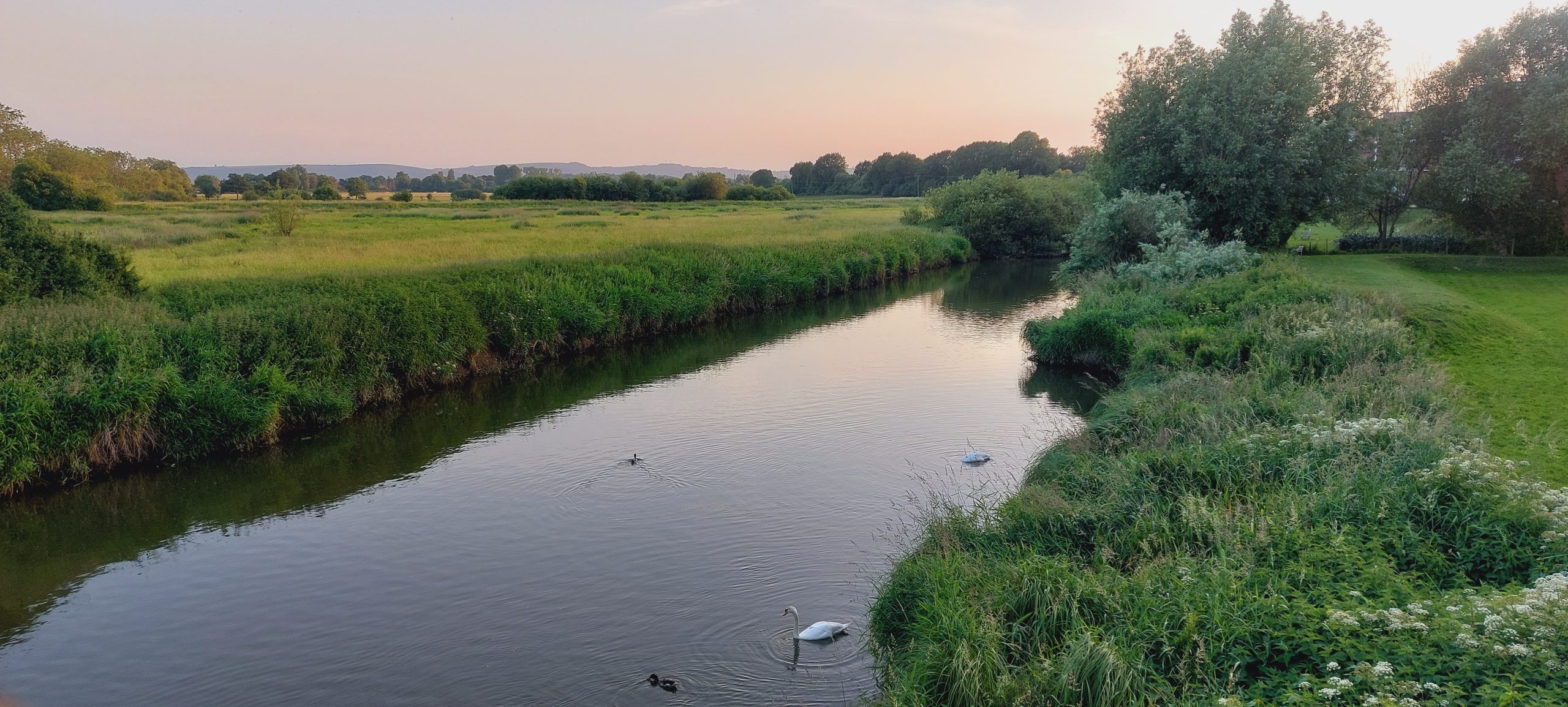
Pollution was a major issue, whether from sewage outflows, run-off from fertilised fields, road surfaces or industrial processes, but just as important was the over-engineering of watercourses, straightening out meanders, dredging, and building high embankments to drain the land more quickly and build on floodplains.
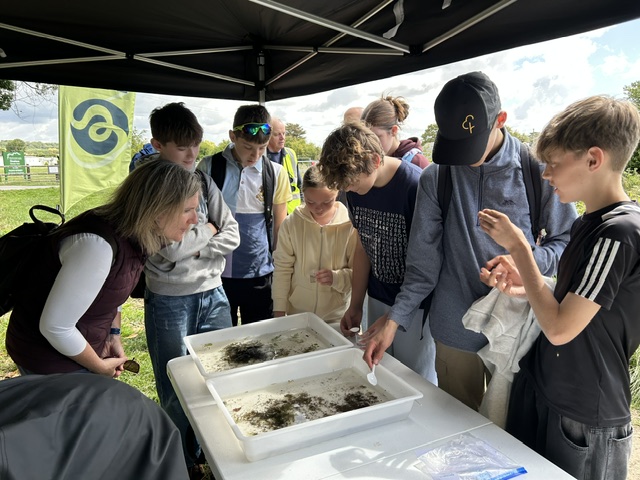
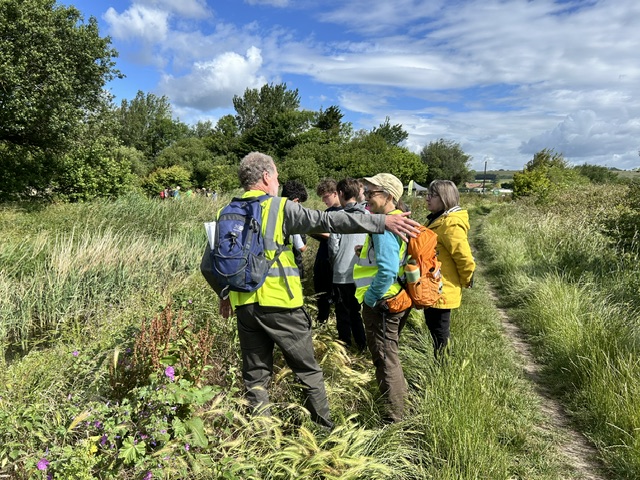
Western Sussex Rivers Trust, one of 65 trusts across the country, was working on all these problems, from the River Ems on the border with Hampshire to the Arun and its tributaries. The water companies were managing to reduce the sewage outflows that result from overloading the system by heavy rainfall, and some farmers were working with the Trust on more nature-conscious methods of land drainage. The Trust’s 200 volunteers were working on monitoring pollution in all the local rivers, on removing unnecessary obstructions, and creating meanders upstream, to improve the landscape and help recolonisation by wildlife.
She said there were better ways of preventing flooding. Flood plains should be allowed to flood, and the reintroduction of beavers would help to hold back floodwater with the dams and ponds they create. Some river-related problems were very difficult. Long periods of drought were threatening the future of the chalk streams, but even here there was an opportunity for better water management.
After the break, Graham Tuppen reported recent local wildlife sightings including Tawny Owls being heard across Goring Gap, and showed a lovely video of a Hedgehog feeding in a member’s garden. Stephen Abbott outlined recent planning news, including a most unwelcome application to demolish a bungalow in Sea Lane, Ferring and replace it with 6 dwellings. Finally, Group Secretary David Bettiss paid tribute to two long time and influential members – Clive Hope and Dorian Mason – who passed away recently and will be much missed.